
How to choose the right camping or bivouac tent ;)
Family camping, lightweight hiking, challenging bivouacs or expeditions: find the tent suited to your activity, comfort needs and budget.
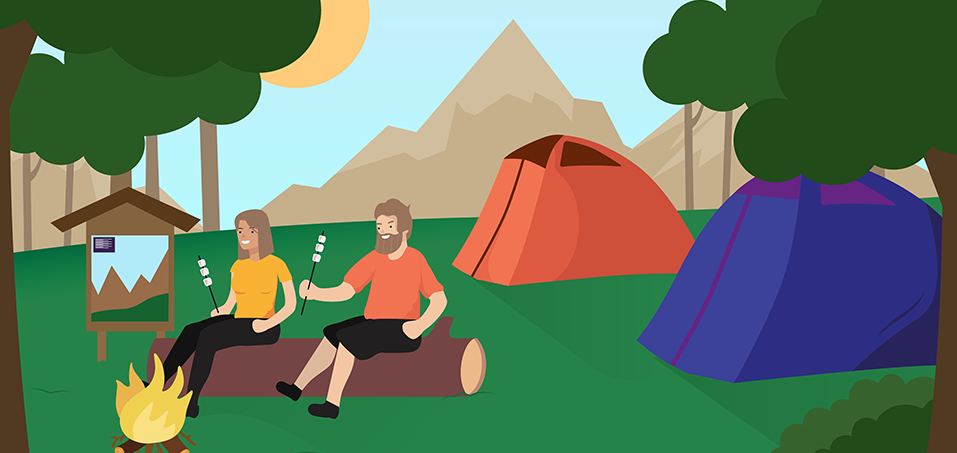
Choose your tent based on your activity
Weight, interior space, weather resistance and ease of setup are not equally important for every type of use.

Lightweight hiking
For trekking, cycling or mobile bivouacs. Priority goes to low weight and compactness.
- Lightweight
- Compact size
- Quick setup

Family camping
For longer stays. Priority goes to space, comfort and storage.
- Spacious interior
- Multiple bedrooms
- Useful accessories
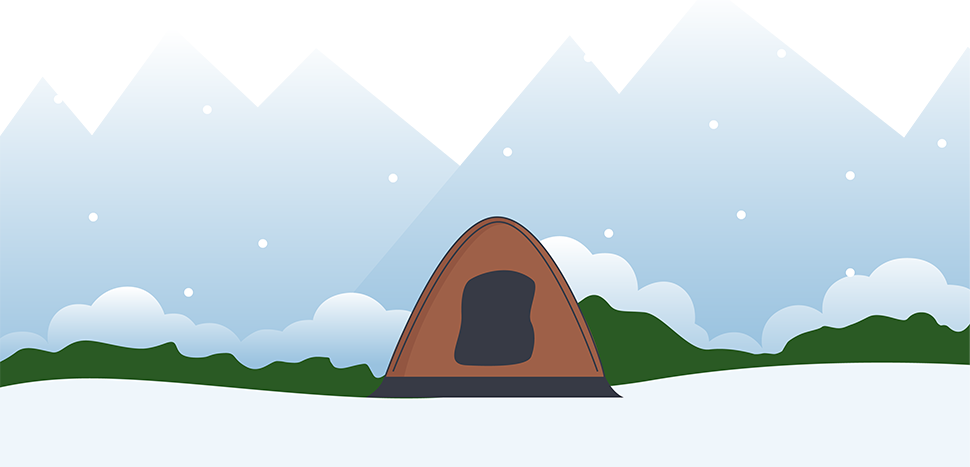
Mountaineering & expeditions
For cold conditions, snow, wind or challenging bivouacs.
- Enhanced insulation
- High resistance
- Technical use
Which tent should you choose for your needs?
| Use | Priority | Recommended type | Things to consider |
|---|---|---|---|
| Hiking / trekking | Weight & compactness | Lightweight or tunnel tent | Interior space, wind resistance |
| Family camping | Comfort & space | Family tent | Setup, ventilation, storage |
| Mountaineering | Weather protection | 4-season tent | Insulation, condensation, durability |
| Car travel | Practicality | Rooftop tent or large tent | Weight, bulk, setup |
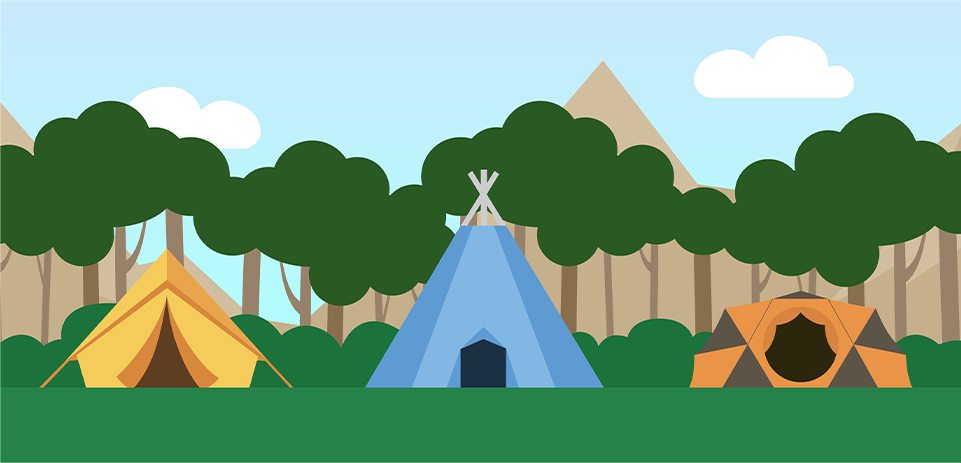
The different types of tents
Camping, hiking or mountaineering: each type of tent is suited to a specific activity. The right choice depends on your mobility, your expected level of comfort and the weather conditions.
Tunnel or freestanding tent?
The shape affects setup, stability, weight and interior comfort.

Tunnel tent
Excellent compactness and a great weight-to-volume ratio, but requires anchoring to the ground.
Ideal for: hiking, bike touring and lightweight bivouacking.
Freestanding tent
Easier to move once set up, making it practical on hard or uneven ground.
Ideal for: camping, versatile bivouacs and challenging terrain.Don't choose based on price alone
A good tent should first and foremost be chosen according to how you plan to use it: how often you go out, the weather you may encounter, the number of people, how it will be carried and your expected level of comfort.
Technical features to compare
Frame
Fiberglass, aluminum or carbon: the choice affects weight, strength and repairability.
Waterproofing
The flysheet and Schmerber rating indicate the fabric’s ability to withstand rain.
Ventilation
Mosquito netting, openings and the flysheet limit condensation and improve comfort.
Useful accessories to complete your tent

Groundsheet
Protects the tent from abrasion and moisture, while improving durability.
View products
Tarps & covers
Add sheltered space and protect against sun, rain or the ground.
View products
Repair & emergency gear
Pegs, guy lines and repair kits: essential for peace of mind on your trip.
View products