
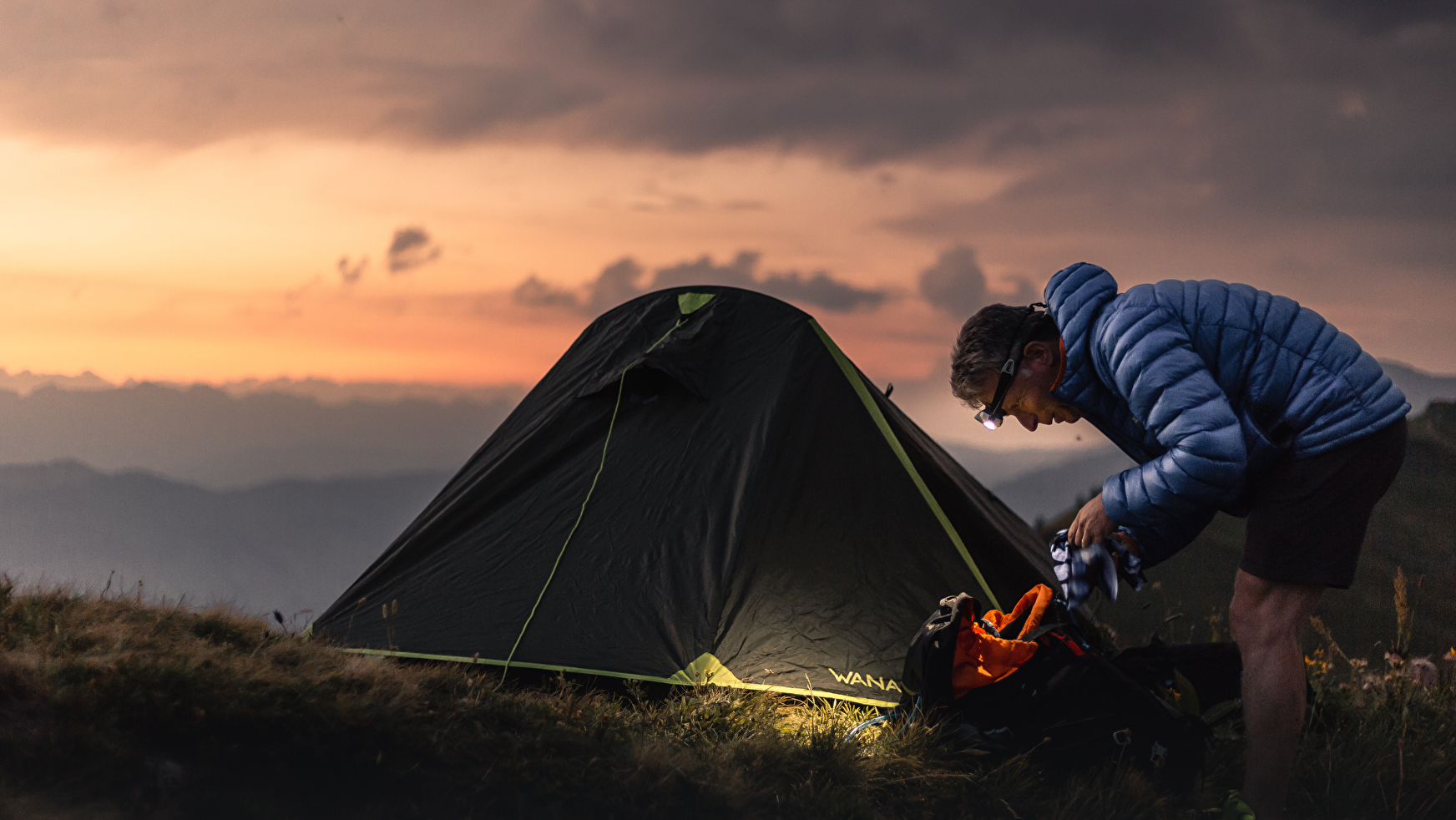
How to prepare properly for a mountain bivouac
Sleeping outdoors with a view of the peaks is one of the most unforgettable mountain experiences. But a successful night takes careful planning, a lightweight approach and respect for the place welcoming you.
A wild escape, not an improvisation
A bivouac is a short-term camp, generally set up for a single night. It allows you to recharge during a hike, trek or journey, while enjoying a special moment close to the mountain.
To make the most of it with peace of mind, the key is to choose your equipment carefully, check the weather forecast, know the local regulations and minimize your impact as much as possible.
Essential gear for a night outdoors
The goal isn’t to bring a lot, but to bring exactly what you need. Every item should be useful, reliable and suited to the season.
For sleeping
- Lightweight tent suitable for the number of occupants
- Sleeping bag suited to the altitude and expected temperature
- Foam or self-inflating sleeping mat
- Warm clothing for the evening and morning
For eating
- Simple, energy-rich meals that are easy to prepare
- Stove suitable for permitted conditions
- Water bottle, water supply or filtration system
- Lightweight tableware and multifunction utensils
To remain self-sufficient
- Charged headlamp
- Map, GPS track or planned route
- Compact first-aid kit
- Bags to carry all your waste back down
The right equipment is what protects you without weighing you down. Before setting off, always check that the total weight of your pack is suitable for your physical condition.
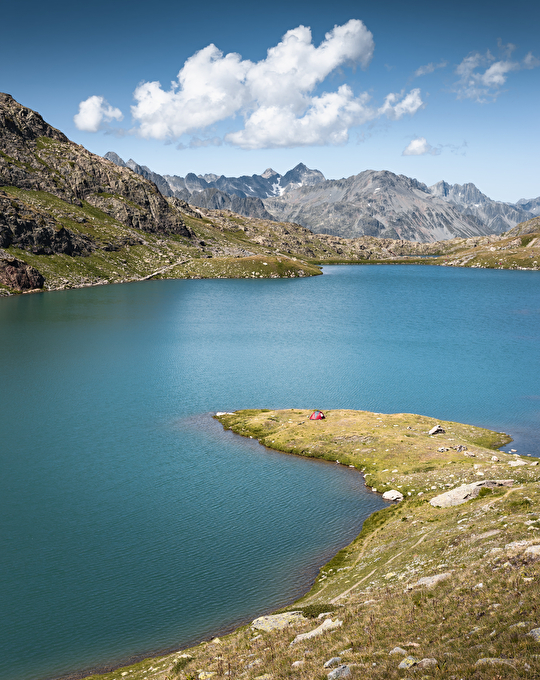
Which spot should you choose?
The first step is to check the regulations for the area: municipalities, nature parks, reserves and protected areas may each have different rules.
When choosing a spot, opt for flat, stable ground and avoid scree slopes, flood-prone banks, fragile areas and places too close to wildlife.
- Put up your tent late and take it down early
- Leave no trace
- Respect the peace and quiet of the area
- Check the weather before nightfall

What about Vanoise National Park?
In the heart of Vanoise National Park, bivouacking is regulated: it is permitted only during the summer season, in the immediate vicinity of certain refuges, and the site must be booked in advance.
A Flame Beneath the Stars, Never Without Caution
Fire is part of the magic of bivouacking, but in the great outdoors it remains one of the most sensitive practices. Before any outing, check with the local authorities, tourist office, or land manager.
Whether fires are permitted
- Choose a spot sheltered from the wind
- Clear away leaves and branches
- Keep water nearby
- Never leave the fire unattended
- Put it out completely before going to sleep or leaving
- Never burn waste
Preparing Your Bivouac
Can you camp anywhere in the mountains?
No. Regulations vary by municipality, natural park, reserve, and protected area. Always check the local rules before setting out.
What equipment should you bring for a bivouac?
Bring a lightweight tent, a sleeping bag suited to the temperature, a sleeping mat, a headlamp, water, food, a first-aid kit, and a bag to carry all your waste back down with you.
Can you have a campfire while bivouacking?
Fires are strictly regulated and often prohibited, particularly near woodland, forests, or protected natural areas. Check the local regulations before setting out.
How do you choose a bivouac spot?
Choose flat, stable, durable ground away from hazardous areas such as rockfalls or exposed banks, and set up without disturbing wildlife.
Prepare, respect, leave no trace
A successful bivouac is a night you remember for a long time, but one that leaves no trace on the mountain.